
Mahjong Voyage: Tile Matching
BluetileBoard
4.83.96K Reviews
- Version
- 3.7.1
- Installs
- 5.00M
- Age Rating
- Everyone
Screenshots
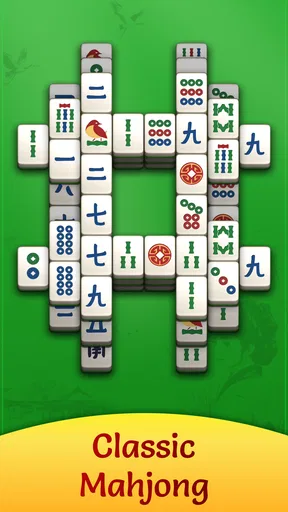
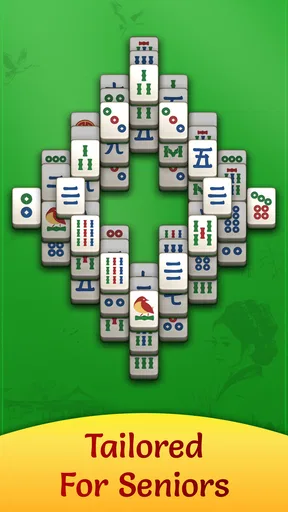
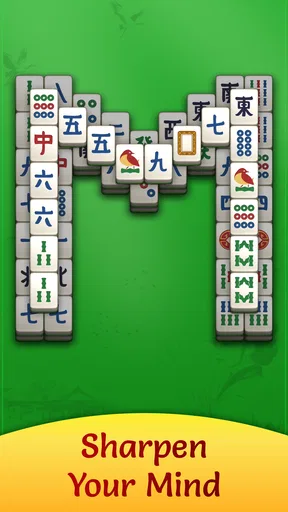
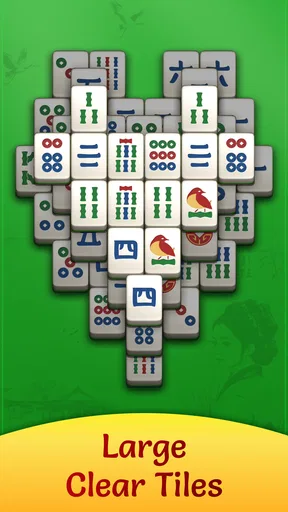
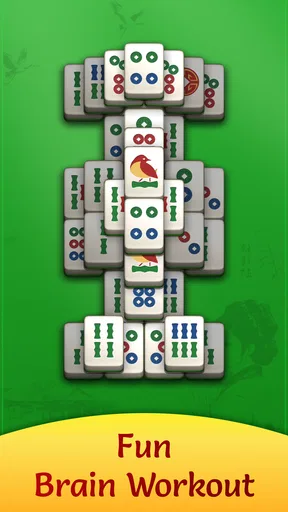


Our Review of Mahjong Voyage: Tile Matching
 Analysis by Appyee
I tend to judge a tile-matching game by what it feels like after the first few boards, not just by whether the opening looks inviting. Mahjong Voyage: Tile Matching has a light, approachable feel, but the appeal depends on enjoying the familiar loop of spotting available pairs and clearing a layout. I’d recommend it most readily to someone who wants a quiet puzzle to dip into, rather than a game built around a complicated story or high-pressure competition.
What the current version is aiming for
Playvalve’s board game is free to start, is rated for Everyone, and has reached version 2.5.0. It has a 4.8 average from around 132,000 ratings, with over a million installs. Those figures suggest it has found a broad audience, though they don’t tell me whether its particular pace and presentation will suit you. Optional in-app purchases range from $0.99 to $2.99 per item, so I’d treat spending as a choice rather than a requirement for trying the basic experience.
The useful question is what kind of attention the game asks for. Tile matching rewards a steady scan of the board: you look for exposed matching tiles, consider which pair to remove, and try not to block useful choices. That makes it easy to understand but not entirely mindless. A move that seems obvious can change what becomes available next, so I find it more satisfying when I pause for a moment instead of tapping the first pair I notice.
How to get more from a board
For a short session, I’d start by checking the upper layers and the edges before clearing pairs in the middle. In tile-matching layouts, removing a tile can reveal choices or leave a less flexible board; looking ahead helps avoid using a useful match just because it is immediately visible. If I reach a point where I’m unsure, I take a fresh look across the whole board rather than repeating the same scan. That small habit can make a familiar puzzle feel more deliberate.
Power-ups are useful when a position feels stuck, but I wouldn’t make them my default first move. Trying to solve a board unaided gives me a better sense of its layout and whether my choices are narrowing the options. Saving help for a genuinely awkward moment also makes it easier to tell whether a challenge is asking for patience or simply a different approach. Daily challenges and quests can add structure for players who like having a reason to return, while those who prefer a completely self-directed puzzle may not care about them.
Who will enjoy the pace
I think the game is a good fit for someone who enjoys visual searching and wants to play in short bursts without learning a dense rule set. It could suit a coffee break or a quiet moment at home: you can focus on a board, stop when it feels convenient, and return when you want another small puzzle. The travel-themed locations and changing tile designs give the progression a sense of movement, rather than making every session feel visually identical.
It is less likely to satisfy players who want a deep strategic board game, a strong narrative, or action that demands quick reactions. The basic pleasure here comes from clearing matching tiles and managing the choices in front of you. If you usually prefer competitive head-to-head play, a traditional mahjong game with direct matches may be a better fit; if you want more varied puzzle mechanics, a broader puzzle collection may hold your attention longer.
Embarking on the Mahjong Journey
Right from the get-go, Mahjong Voyage: Tile Matching sets itself apart with its vibrant graphics and engaging gameplay. The game invites you to travel through various exotic locations, each offering unique tiles and challenges. The visuals are stunning, making each level feel like a new adventure.
What really grabbed my attention was the game's intuitive interface. It’s designed in a way that even if you’re a newbie to mahjong, you won’t feel lost. The tutorial at the beginning is super helpful and gets you up to speed in no time.
Gameplay That Keeps You Hooked
As you dive deeper into the game, you'll find that the levels get progressively challenging. The game does an excellent job of balancing fun and difficulty, ensuring that you’re always on your toes. The tile designs are beautifully crafted, and the sound effects add a nice touch, making the experience all the more immersive.
One of my favorite features is the power-ups. They can be real lifesavers when you’re stuck on a tricky level. Plus, the daily challenges and quests offer a nice way to earn rewards and keep the game fresh.
Why You'll Love It
There are a few things that make this game stand out. Firstly, the variety of levels keeps the game interesting. With each new location, you’re met with a fresh set of challenges. Secondly, the social aspect of the game is quite engaging. You can connect with friends, send lives, and even compete on leaderboards. It adds a nice competitive edge to the game.
Another highlight is the game's accessibility. Whether you’re playing on a quick coffee break or during a long commute, the game’s quick-load times and offline availability make it a perfect companion.
What the release timeline tells me
The game was released on February 7, 2025, and its current version is 2.5.0. That gives existing players a concrete point to identify the build they are using, but a version number alone doesn’t tell me what changed between releases. I wouldn’t assume a particular feature, balance adjustment, or performance improvement from the number without release notes to support it. For someone deciding whether to install now, the practical approach is to check that their device runs Android 7.0 or later and then judge the game by its present feel.
If you already play, the version number is most useful as a reference when checking whether your app is current, not as a promise that the game has changed in a particular way. I’d watch for clearly described changes that affect board variety, usability, or how optional purchases fit into play. Those details matter more to a regular player than a new number on its own.
Small frictions worth considering
The relaxing presentation can be a strength, but it also means the game may feel repetitive if you want every session to introduce a new kind of problem. New locations and tile designs provide variety, yet the central activity remains matching tiles. I’d also keep the social features in perspective: connecting with friends, sending lives, and leaderboards can add a reason to return, but they are not essential if you simply want to solve boards on your own.
There is a practical distinction between a game being free to start and being entirely free of spending prompts. Optional purchases are available, so I’d decide before playing whether I’m comfortable with in-app buying and keep that choice deliberate. The age rating is Everyone, but that doesn’t automatically make the game the best fit for every person; a child who wants fast action or a player who expects a traditional four-player mahjong match may prefer something else.
A routine that suits the game
One realistic way I’d use it is as a short reset between tasks: open a board when I have a little spare time, scan for matches, and stop once I’ve had enough rather than turning a break into a long session. On a commute, I’d choose it only when I can give the screen enough attention to read the tile faces comfortably. If I’m tired or distracted, I’m more likely to miss a useful pair and make the puzzle feel harder than it is.
For a better first session, I’d take the opening tutorial at a comfortable pace and learn how the board communicates which tiles can be selected. Then I’d play a few boards without leaning on power-ups, so I can tell whether I enjoy the matching decisions themselves. If I do, challenges and quests can provide a gentle routine; if I don’t, rewards are unlikely to change the underlying loop enough to make it a lasting fit.
Choosing it over other tile games
Compared with a classic mahjong game focused on a direct match between players, this is better approached as a solo tile-clearing puzzle with progression and social extras. That distinction matters: a player looking for the rules and rhythm of competitive mahjong shouldn’t install it expecting an equivalent table game. Against a basic solitaire-style tile matcher, its locations, challenges, quests, and friend-oriented elements offer more reasons to revisit, though someone who wants a minimal board with no extra progression might prefer the simpler alternative.
The trade-off is that added structure can become background noise. If I’m in the mood for a clean puzzle, I can focus on the available pairs and ignore the social layer; if I want a more social session, the friend and leaderboard features give me something extra to engage with. Neither mode changes the core requirement to read the board carefully, so the best comparison is not which game has the most features but which kind of tile play I actually want.
What I would check before settling in
For a new player, the main practical question is whether the device meets the Android 7.0 minimum. The game is also available at no upfront price, which makes trying the core style an easy decision, while the listed per-item purchases mean I would be mindful about optional spending. A high average rating and a large player base are reassuring signs of reach, but I’d still use the first few boards to decide whether the visuals, pace, and puzzle loop click for me personally.
For returning players, I’d pay attention to how the current build feels on their device and to any clearly explained release changes rather than assuming every update will alter the way they play. For anyone choosing between this and another board game, the deciding points are straightforward: do you want a relaxed matching puzzle, do you value its progression and social options, and are you happy with a game whose challenge comes from planning tile choices instead of competing in a traditional mahjong match?
Final Thoughts
All in all, Mahjong Voyage: Tile Matching is a delightful fusion of classic mahjong with modern twists. Its engaging gameplay, beautiful visuals, and social features make it a must-have for any puzzle game enthusiast. If you’re looking for a game that’s both relaxing and challenging, give it a try. Trust me, you won’t be disappointed!
Ready to start your mahjong adventure? Download Mahjong Voyage: Tile Matching today and embark on a journey through mesmerizing tile-matching puzzles.
Privacy and Permissions
See what permissions an app requests and how it handles your data.
- Wi-Fi connection information
- view Wi-Fi connections
- Other
- view network connections, full network access, control vibration, prevent device from sleeping, Google Play license check
Verdict
Strengths of Mahjong Voyage: Tile Matching
- Engaging gameplay with diverse tile designs.
- Multiple levels ensure long-term enjoyment.
- Great for improving memory and concentration.
- User-friendly interface for all ages.
- Daily challenges keep players motivated.
Limitations of Mahjong Voyage: Tile Matching
- In-app purchases can be costly.
- Ads can interrupt the gaming experience.
- Some levels may feel repetitive.
- Requires internet connection for some features.
- Occasional bugs in level transitions.
Other Releases by Bluetile
View All

Ball Sort Puz - Color Game
Puzzle4.8

Water Sort Puz - Color Game
Puzzle4.8

Dot Link - Connect the Dots
Puzzle4.8
Similar Picks in This Category
View All
Ludo King®
Gametion4.1

Ludo
Yarsa Games4.6

Tile Master® - Matching Game
Higgs Studio3.6

Checkers Online
CC Games4.6

Dominoes
Loop Games4.7

Chess
Chess Prince4.6
Frequently Asked Questions
What is Mahjong Voyage: Tile Matching and how do I play it?
Mahjong Voyage: Tile Matching is a classic tile-matching game that takes players on an adventurous journey through various exotic locations. The goal is to clear the board by matching pairs of identical tiles. Each level presents a unique layout and challenges, requiring strategic thinking and keen observation to complete.
Is Mahjong Voyage: Tile Matching free to play?
Yes, Mahjong Voyage: Tile Matching is free to download and play. However, it offers in-app purchases for players who wish to enhance their gaming experience. These purchases can include additional coins, power-ups, or special tile sets that can help in progressing through more challenging levels.
What are the system requirements for Mahjong Voyage: Tile Matching?
Mahjong Voyage: Tile Matching is available on both Android and iOS platforms. For Android devices, it typically requires version 5.0 or higher. On iOS devices, it usually requires iOS 10.0 or later. It’s always a good idea to check the app store for the most current system requirements before downloading.
Does Mahjong Voyage: Tile Matching offer any multiplayer features?
Currently, Mahjong Voyage: Tile Matching is designed as a single-player experience. While it focuses on personal progression and strategy, players can compare scores and achievements with friends through social media integration or within the game’s leaderboard system.
Are there any accessibility features in Mahjong Voyage: Tile Matching?
Mahjong Voyage: Tile Matching aims to be accessible to a wide range of players. It includes adjustable settings for sound and music, as well as options for enlarging tiles for better visibility. The game also provides hints and undo options, making it more approachable for newcomers or those needing assistance.
Play our best games!


